A Glimpse into Japan’s Refined World of Miniatures
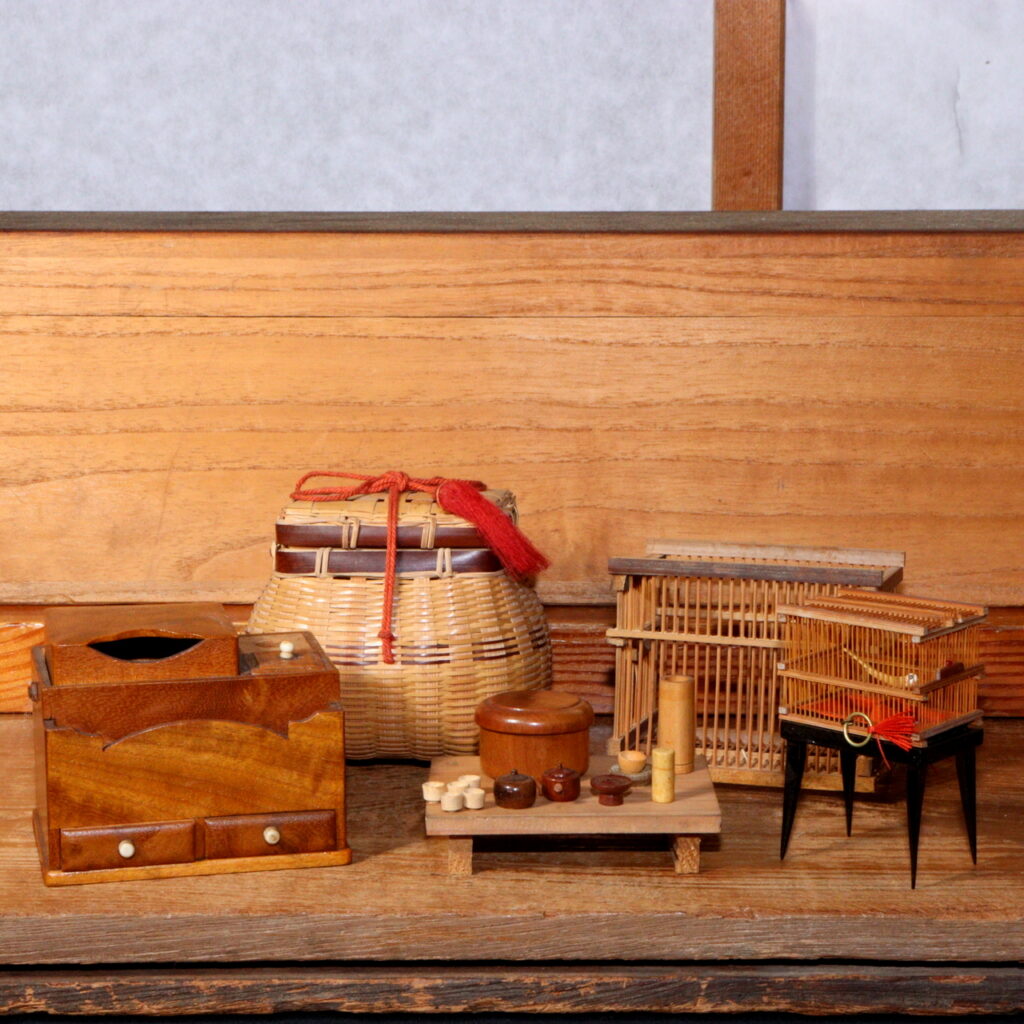
Among the most captivating expressions of Japanese craftsmanship, miniature furniture and dollhouse ornaments hold a unique place — bridging play, artistry, and cultural symbolism. This exquisite Japanese miniature furniture set, dating from around the 1930s–1940s, embodies the refined skill and aesthetic balance of traditional Japanese design on a truly miniature scale.
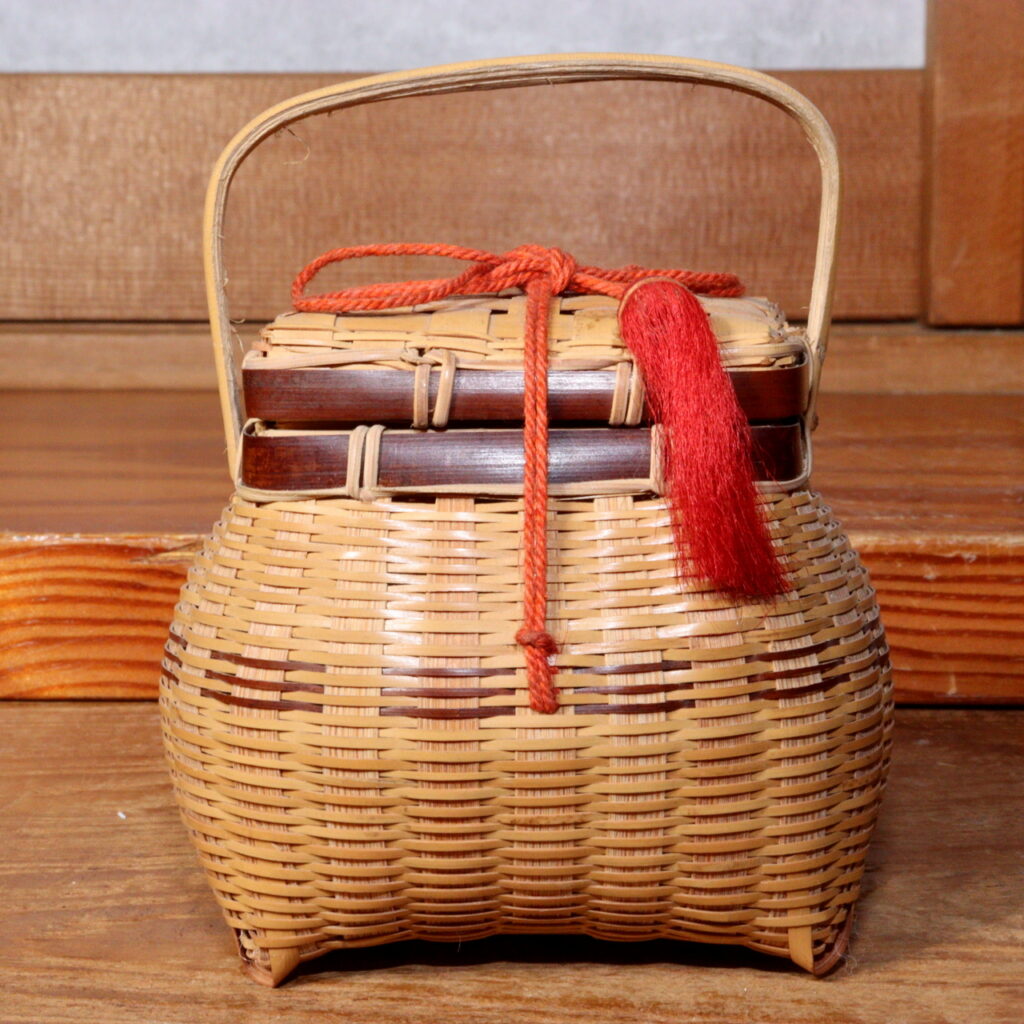
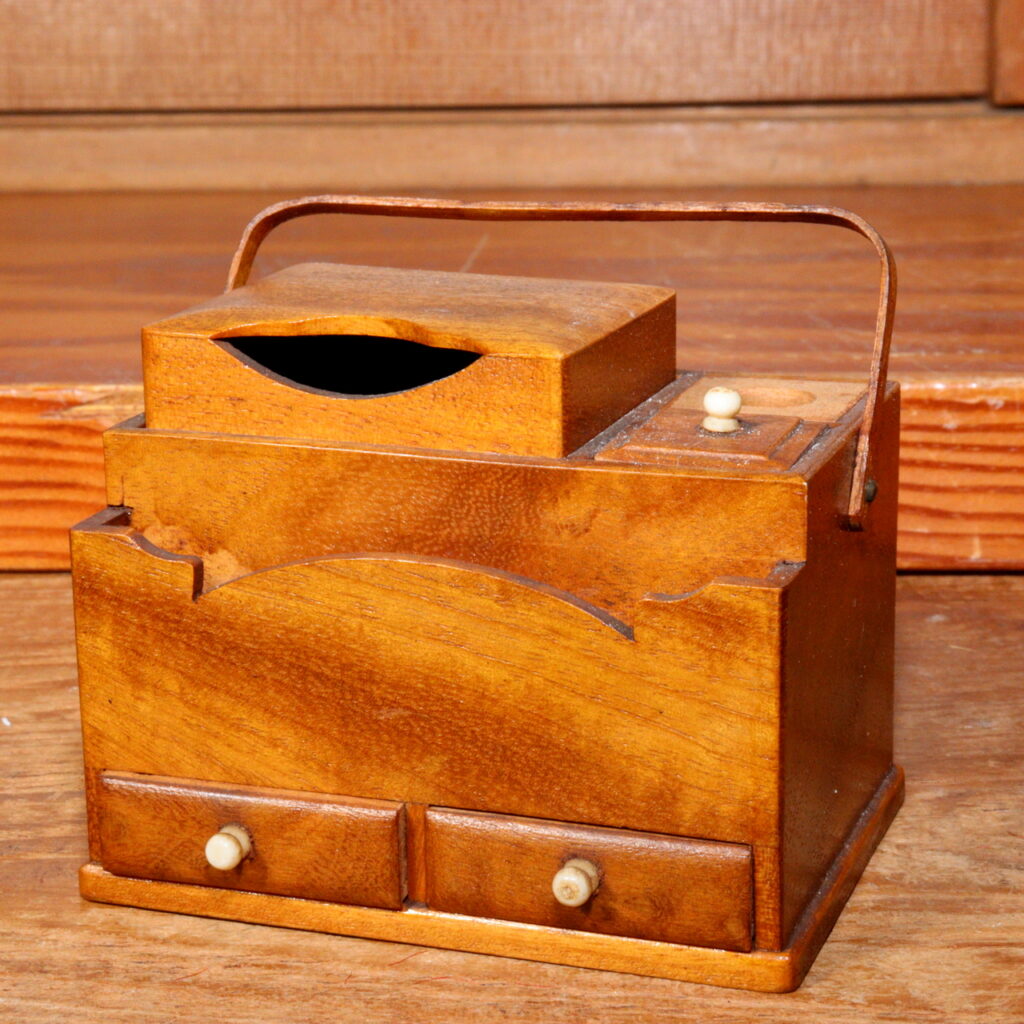
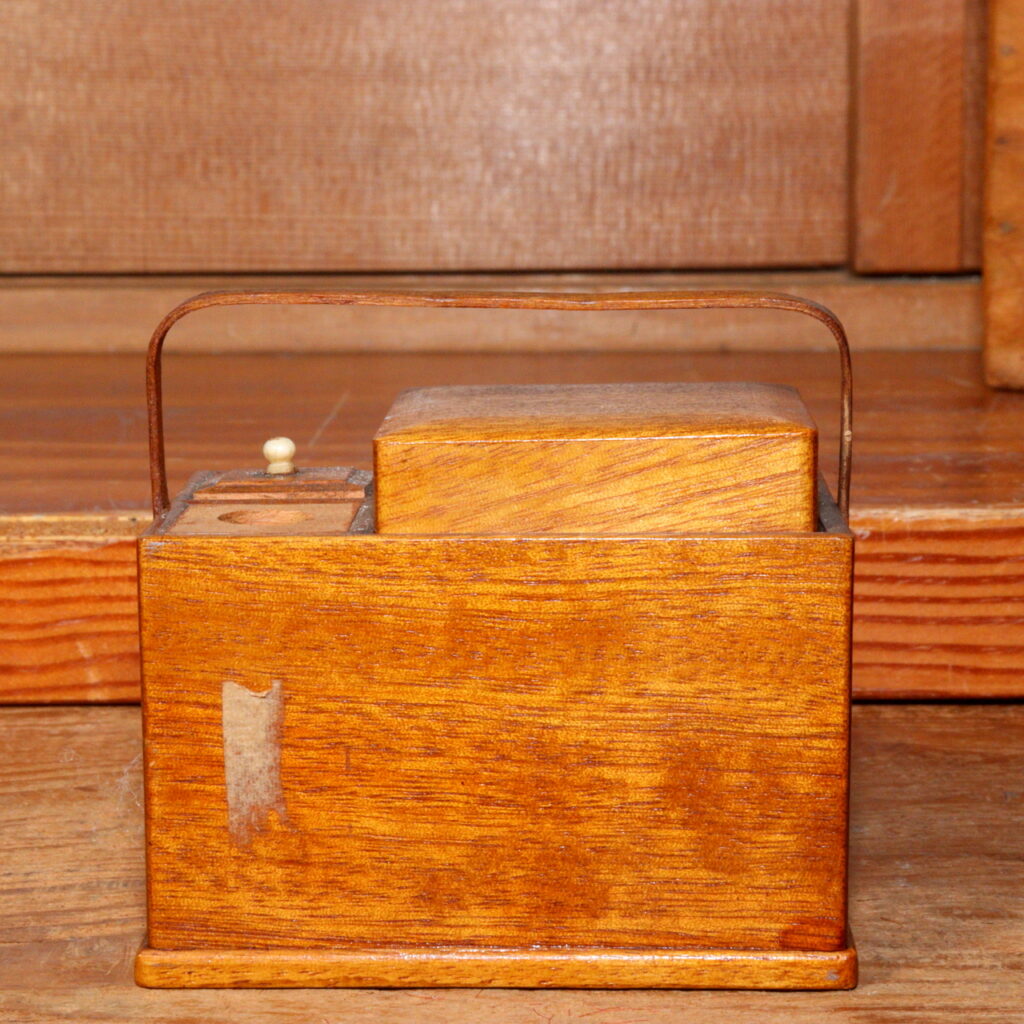
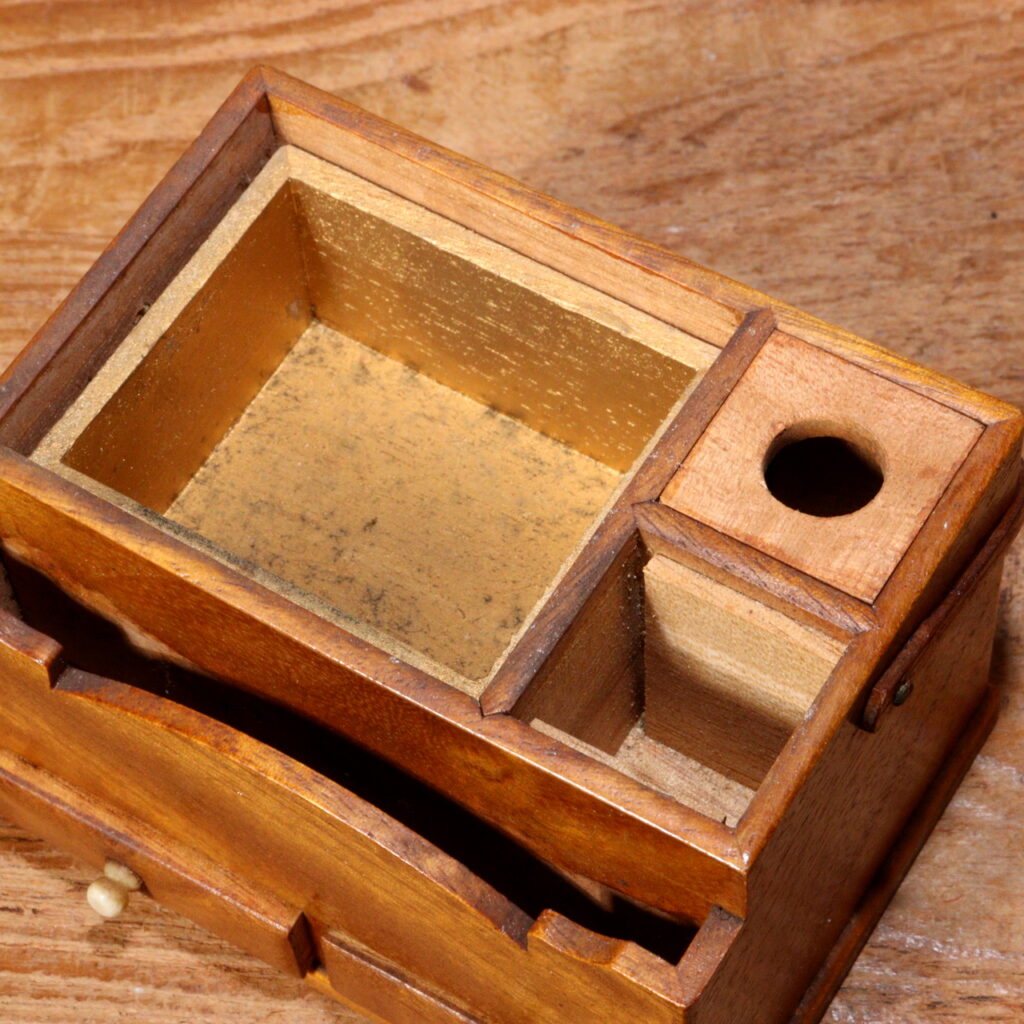
Comprising a needle box, birdcage, tea utensils, and storage chest, each piece is meticulously crafted from natural materials such as wood and bamboo. The ensemble reflects not only the technical mastery of its maker but also a deeply cultural appreciation for precision, order, and beauty — traits that have long defined Japanese artisanship.
The Story Behind This Piece
Miniature furniture (mokei kagu) has a long history in Japan, originating from the Edo period when artisans began crafting small-scale versions of daily tools, chests, and accessories. Initially, these were made for Hina dolls (displayed during the Girls’ Day festival) or as training models for apprentices studying joinery and carpentry.
By the early Showa era (1920s–1940s), such miniatures evolved into highly collectible objects in their own right. Skilled woodworkers, many trained in the traditions of tansu-making (Japanese cabinetry), began creating luxury miniature sets that mirrored the furniture of refined households. These were not toys but works of art — small-scale demonstrations of proportion, material harmony, and joinery technique.
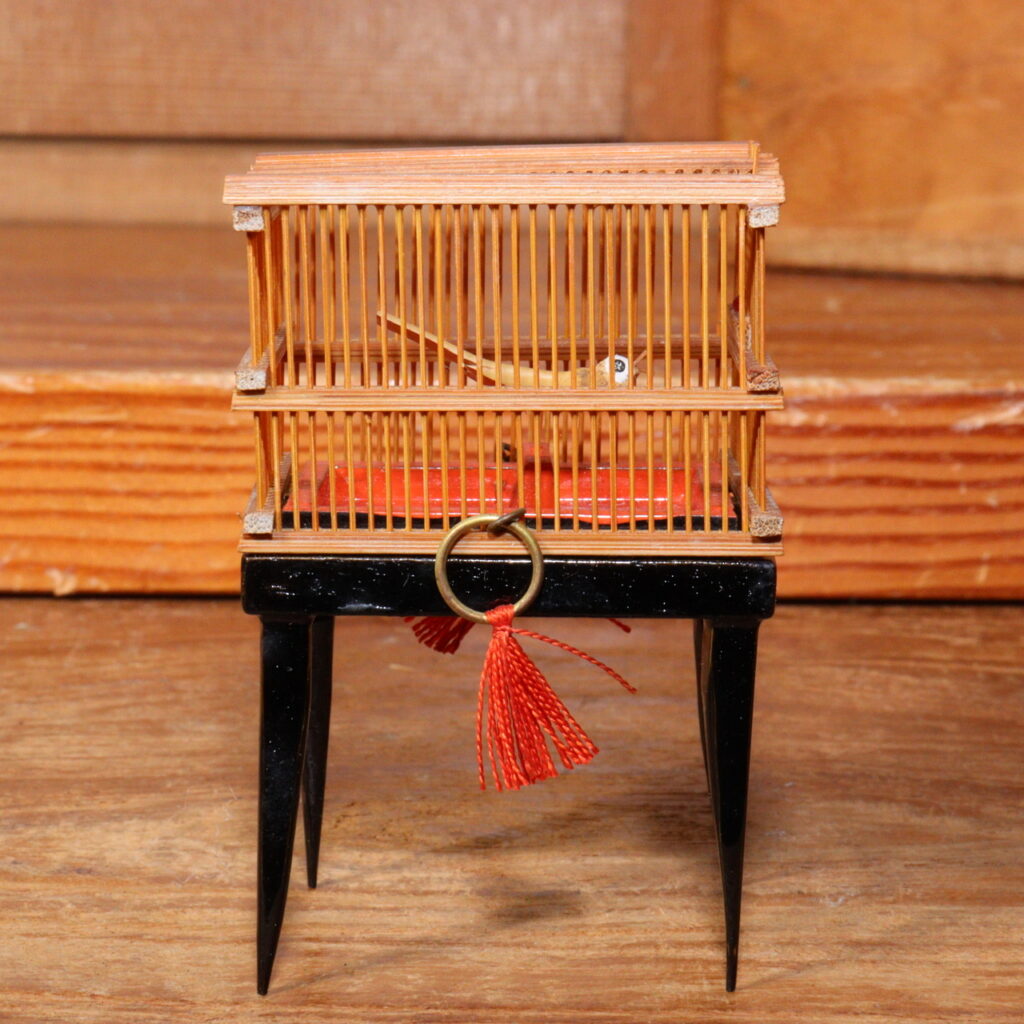
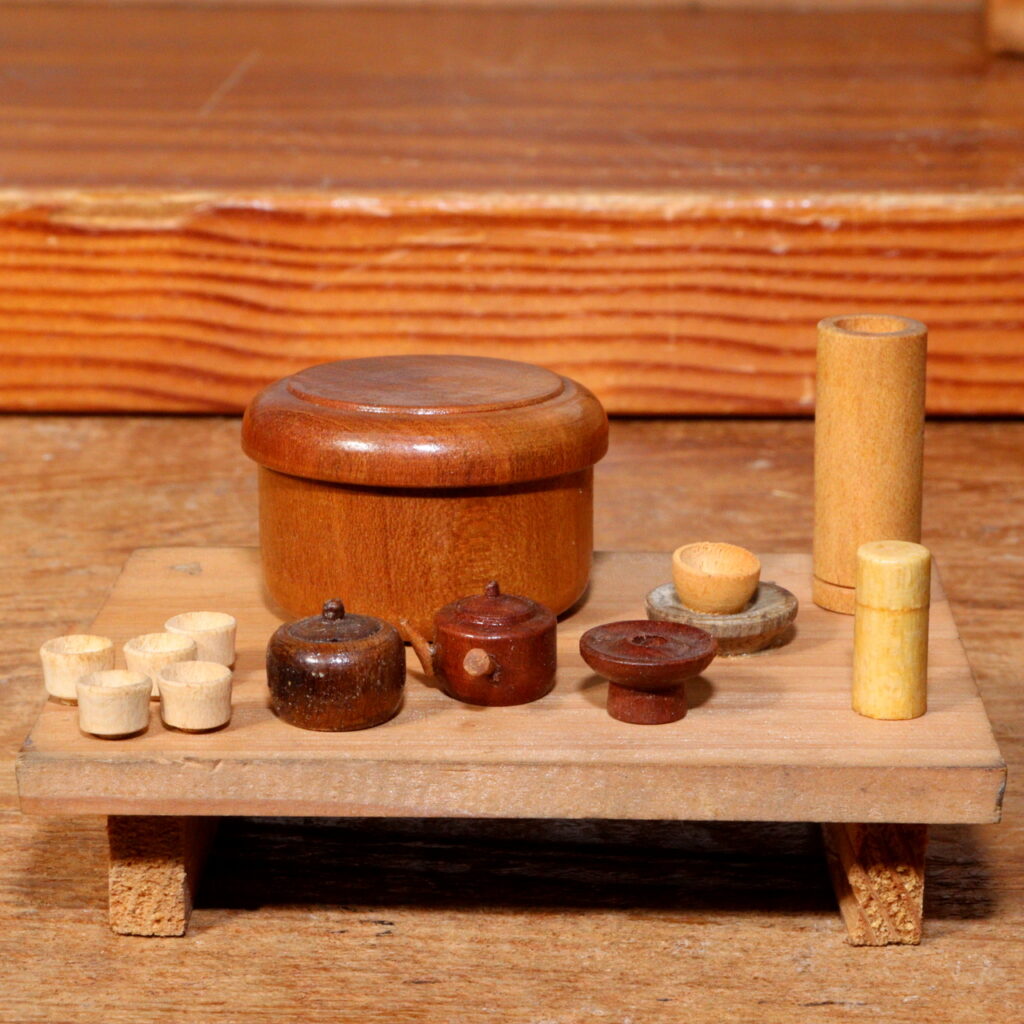
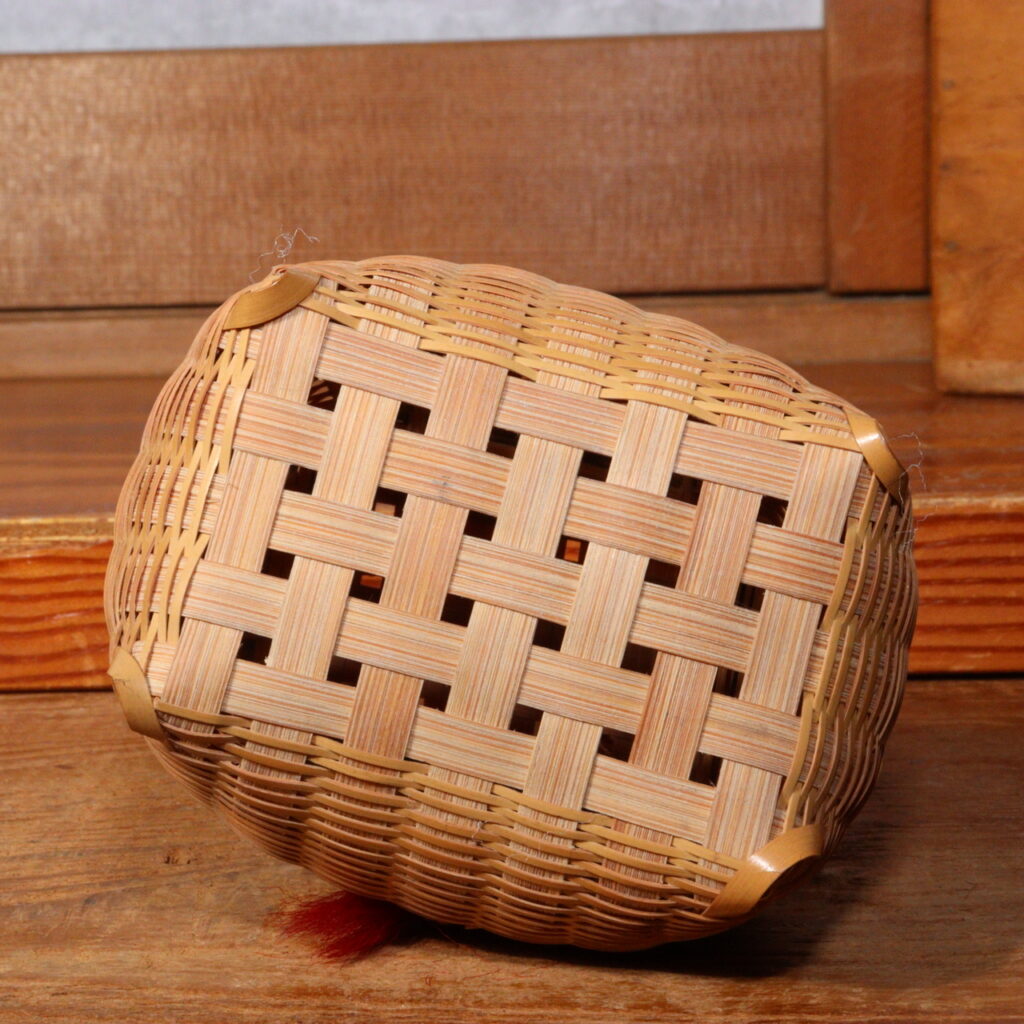
The present set stands as an excellent example of this lineage. The birdcage, fashioned from delicate bamboo rods tied with red silk tassels, recalls the gentle pastime of bird keeping among Edo and Meiji intellectuals. The wooden tea set, featuring tiny bowls, cups, and lidded containers, reflects Japan’s enduring reverence for the tea ceremony and the art of hospitality (omotenashi). Meanwhile, the needle box and bamboo basket evoke the intimate domestic scenes of prewar Japan, when handmade tools and containers were both practical and beautiful.
The Beauty and Craftsmanship
What sets this miniature set apart is its exceptional attention to scale and detail. Each piece has been hand-carved, polished, and assembled using traditional woodworking techniques — including fine joinery, natural finishes, and meticulous proportion control.
- The wood grain is carefully oriented to enhance visual balance.
- The birdcage rests upon a black lacquered pedestal, adorned with a red silk tassel — a charming symbol of care and refinement.
- The tea utensils, though no larger than a coin, are proportionally accurate, their soft polish and earthy tones evoking wabi-sabi simplicity.
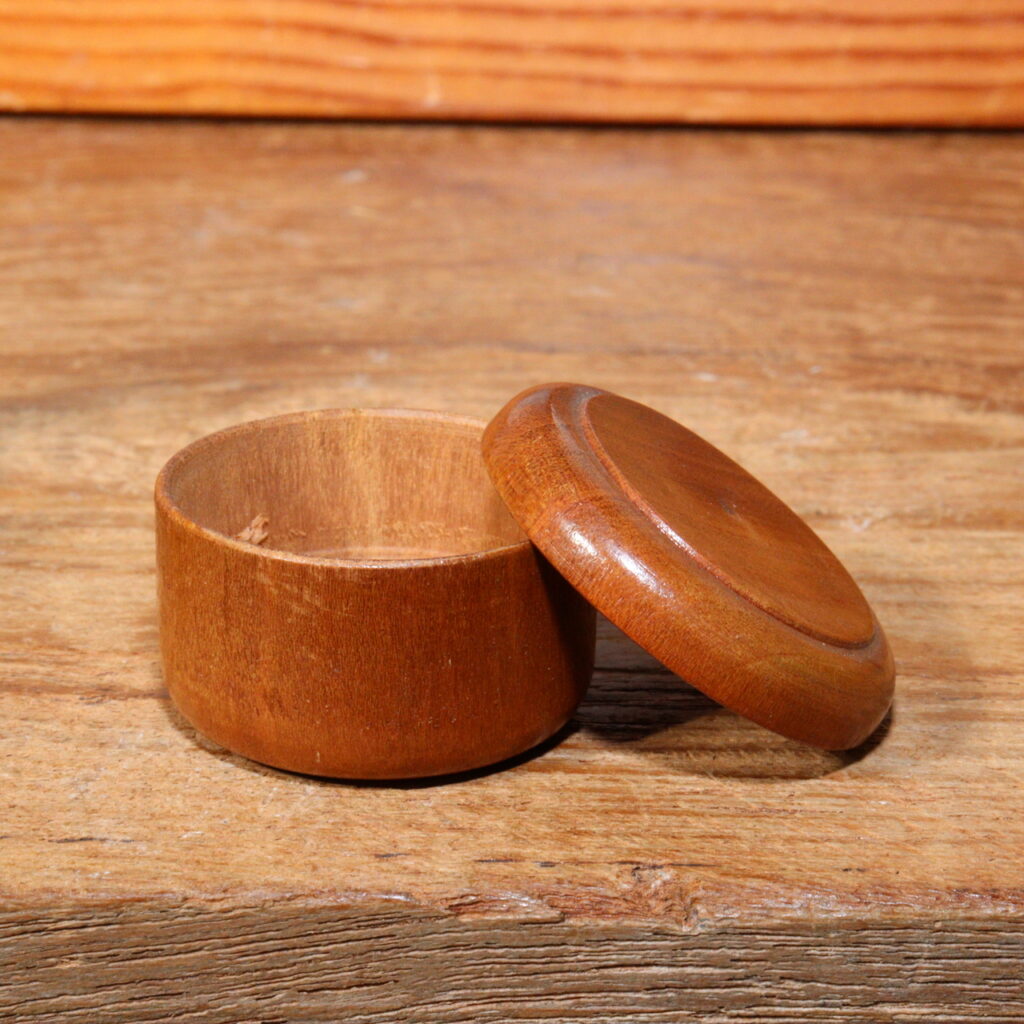
- Even the tiny drawers and lids are functional, demonstrating the precision of a true master craftsman.
These features suggest the hand of a highly skilled artisan rather than a mass-produced workshop. While many similar sets from the period were charming but roughly made, this example exhibits a degree of sophistication and finesse rarely seen, aligning it with luxury collector’s pieces rather than children’s toys.
In its balance of minimal form and intricate detail, this set mirrors the broader ideals of Japanese design philosophy — simplicity achieved through mastery, and beauty expressed in function.
Unlike Western dollhouses that emphasize ornate display, Japanese miniatures distill life’s essence through modest materials and understated elegance. This distinction underscores Japan’s cultural approach to craft: art and life are one and the same.
Its Value for Collectors Worldwide
For collectors of Japanese folk art, Showa-era craftsmanship, or dollhouse miniatures, this set is a rare and valuable find. Each element reflects a world where everyday beauty was deeply respected, and where artisans imbued even the smallest objects with meaning and grace.
Its appeal transcends category — fitting as much within the world of antique woodworking as within that of miniature art. The set also holds cultural resonance for enthusiasts of:
- Japanese domestic history – offering a glimpse into the aesthetics of 20th-century living.
- Design history – demonstrating proportion, structure, and craftsmanship principles still admired in modern Japanese design.
- Fine collectors – who value timeless works of traditional artistry that embody both nostalgia and excellence.
In the context of cultural heritage and art investment, pieces like this represent not merely material artifacts but enduring testimonies to Japan’s dedication to the handmade.
Conclusion & Product Link
This Japanese Miniature Furniture Ornament Set is far more than a charming collection — it is a window into a bygone world where scale, skill, and spirit converged. Every tiny drawer, woven basket, and lacquered cage tells a story of craftsmanship rooted in the values of precision, simplicity, and quiet elegance.
👉 View this item here:
https://koedo-sun-art.com/search?q=WO293&options%5Bprefix%5D=last
If this piece has already found its new home, please explore our other Japanese antique collections here:
🔗 https://koedo-sun-art.com